


The Story Begins
LBT’s story begins with the ESA-developed Link Design and Control Table (LDCT), a powerful but complex Excel-based system. For years, the LDCT was the standard, but as missions grew in complexity, so did the challenges. Maintaining and distributing the Excel files became a significant operational bottleneck. Centralized databases were difficult to manage, leading to critical data integrity issues and version control problems. Furthermore, the maintenance burden was high, as updates to models were manual, error-prone, and difficult to roll out. This created a lack of scalability, as the platform wasn’t designed for automated, API-driven analysis or integration with modern planning systems.
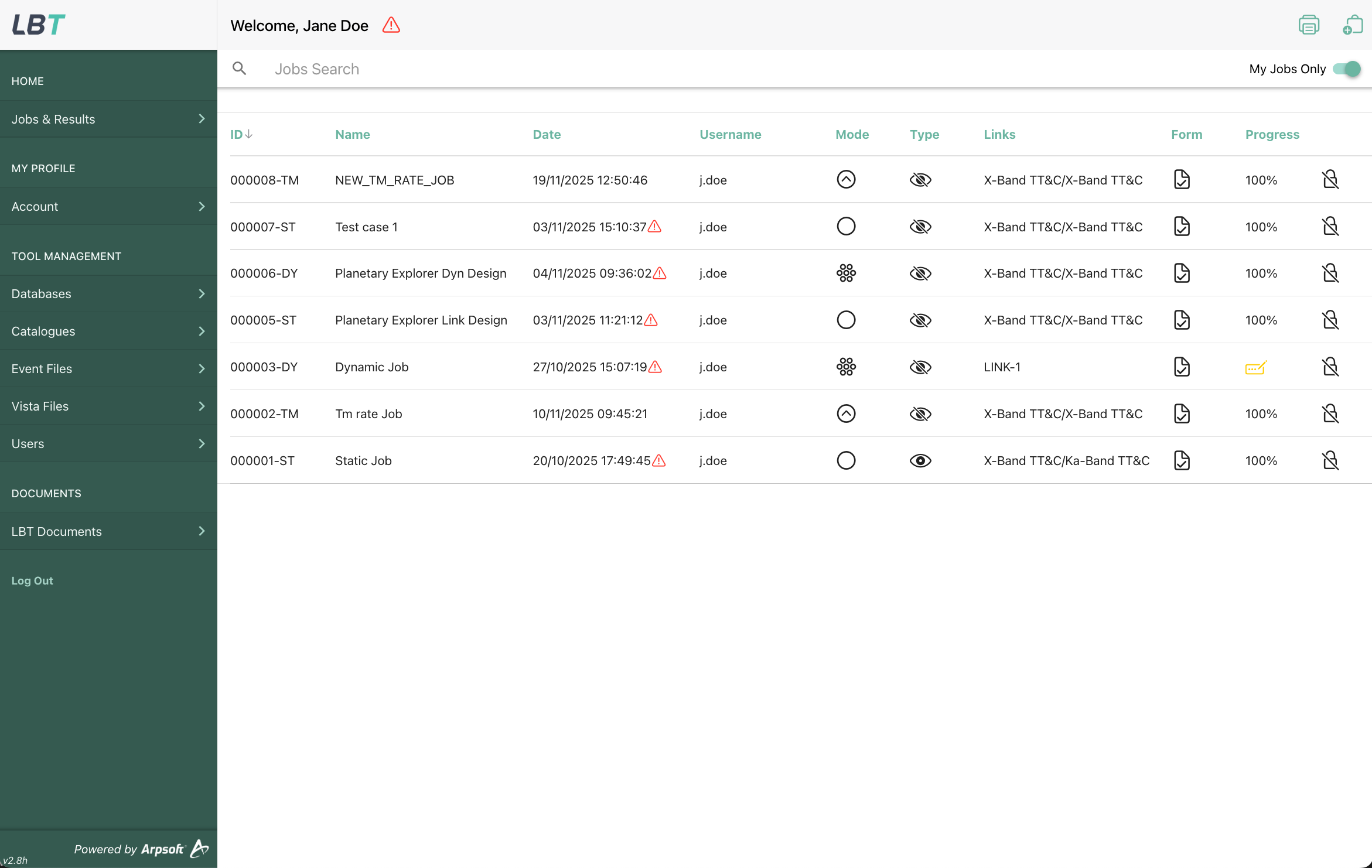
Recognizing these challenges, LBT was engineered as the solution. It’s a ground-up rebuild that retains the validated physics of its heritage while solving the core operational problems. It transitions from a standalone file to a modern, centralized, and collaborative web platform, establishing a single source of truth for all mission link analysis.
A Complete, Scalable Ecosystem for All Your Link Budget Analysis Needs
01. The Engine
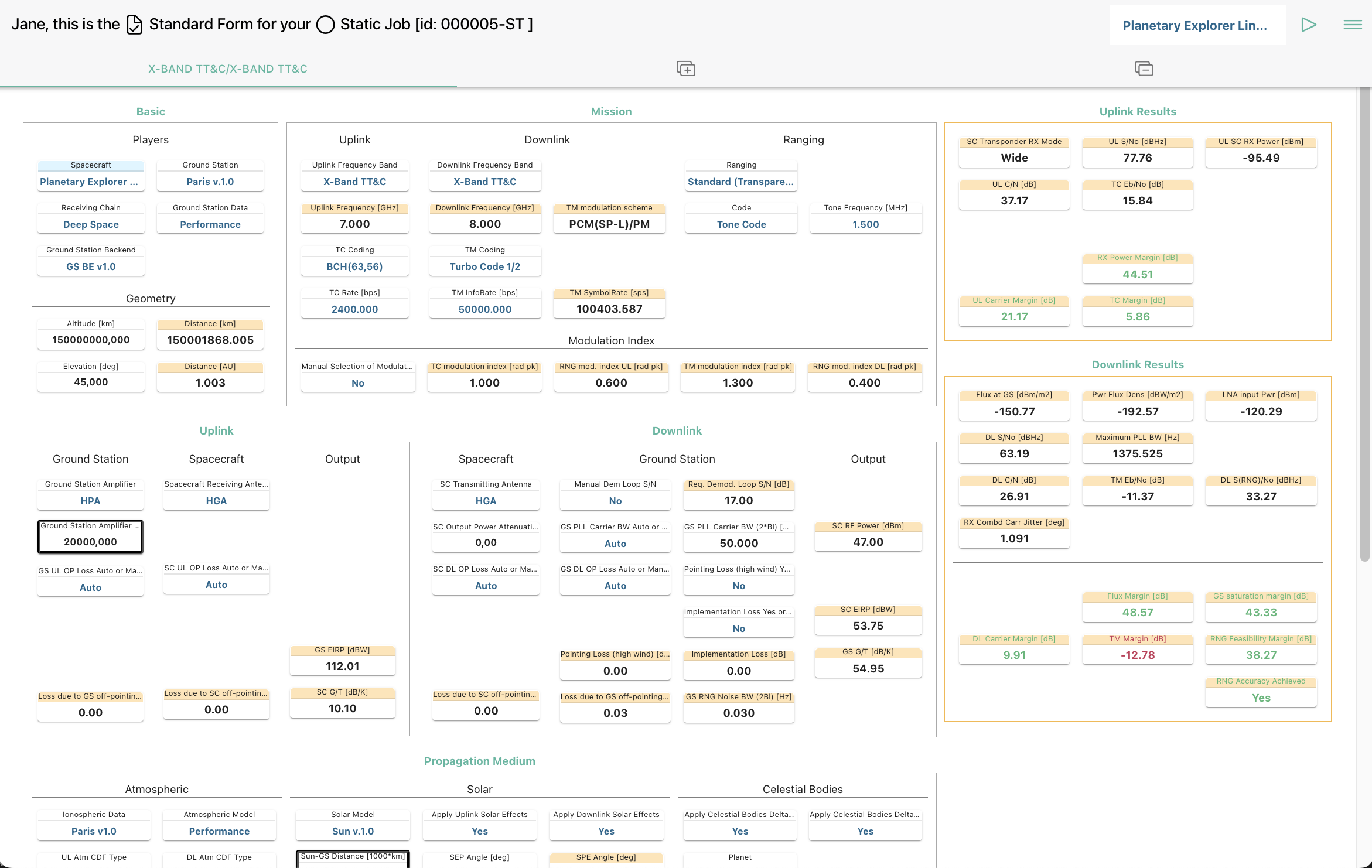
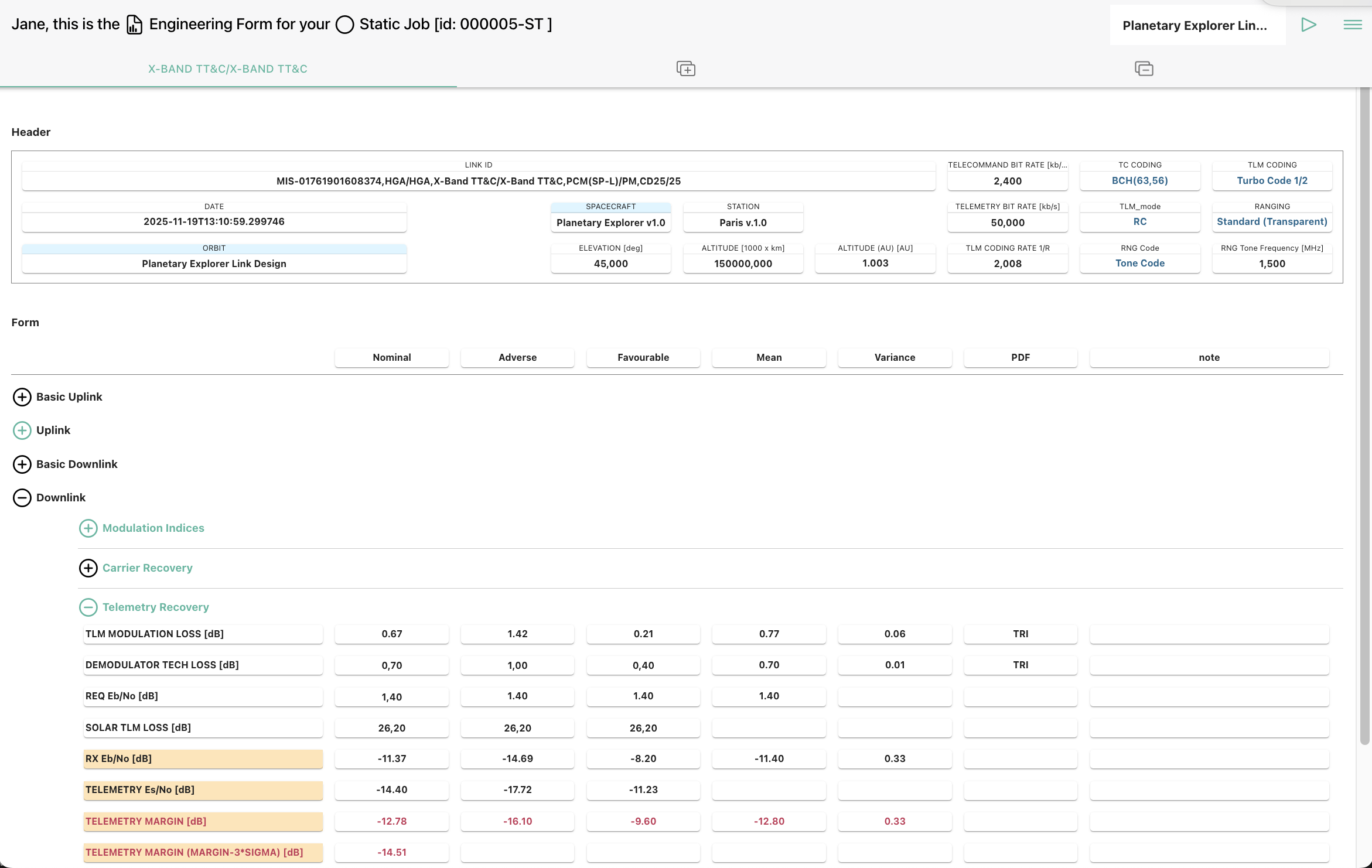
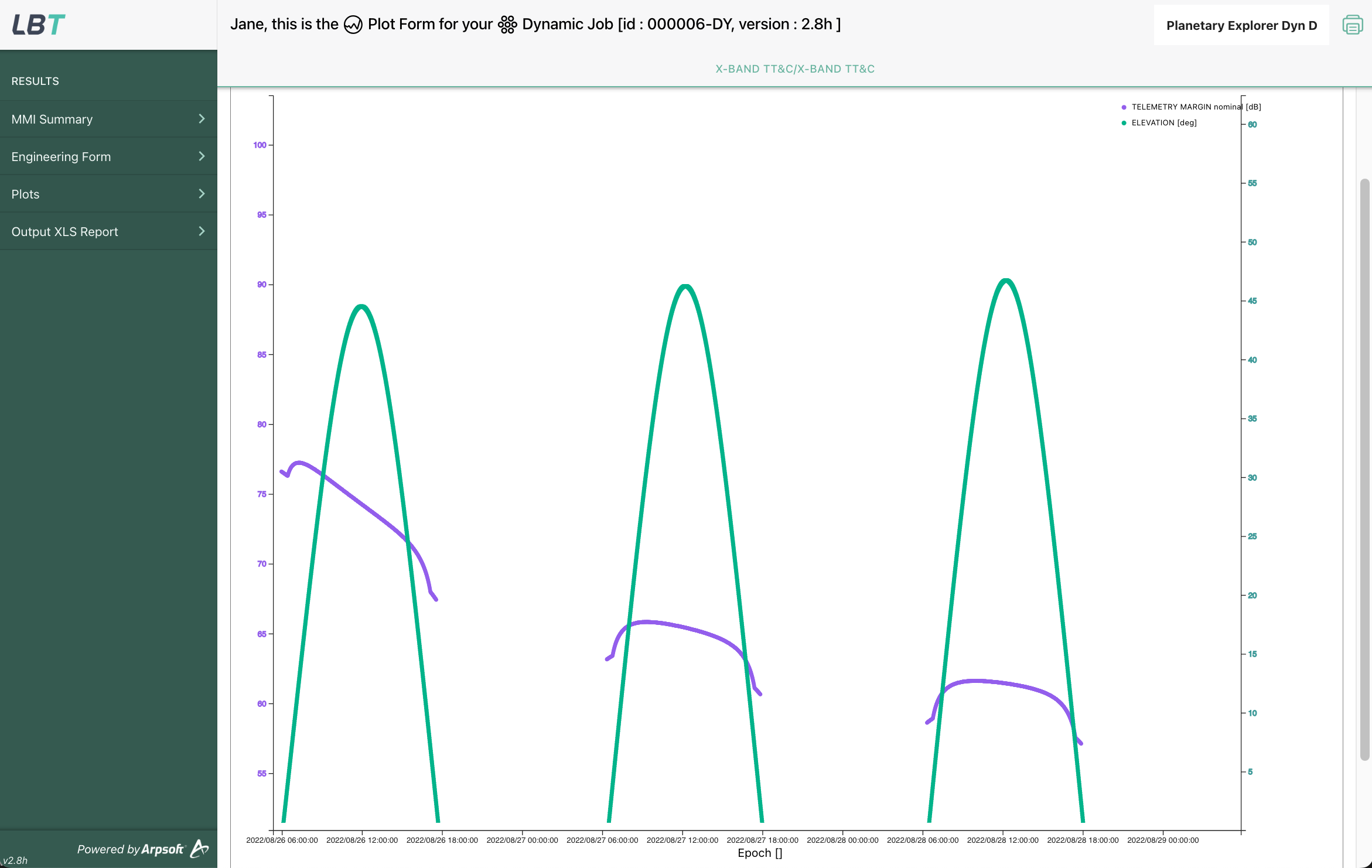
The validated, ESA-proven core of LBT. Run complex static and dynamic analyses over entire mission profiles or go beyond simple margin checks. LBT’s core algorithms optimize for maximum data return based on pass profiles and link availability. Built on verified models and years of real-world operational use.
02. Centralised Database
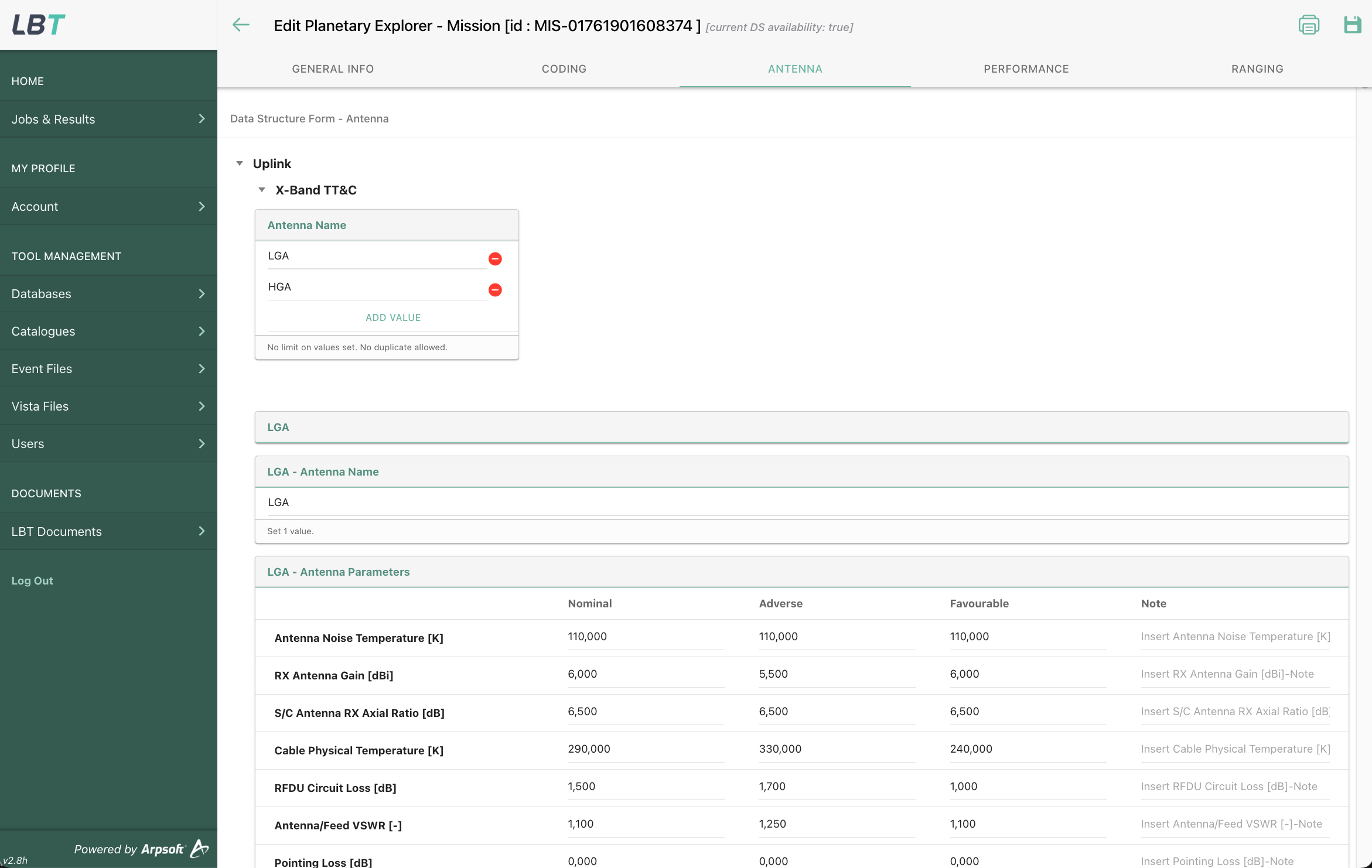
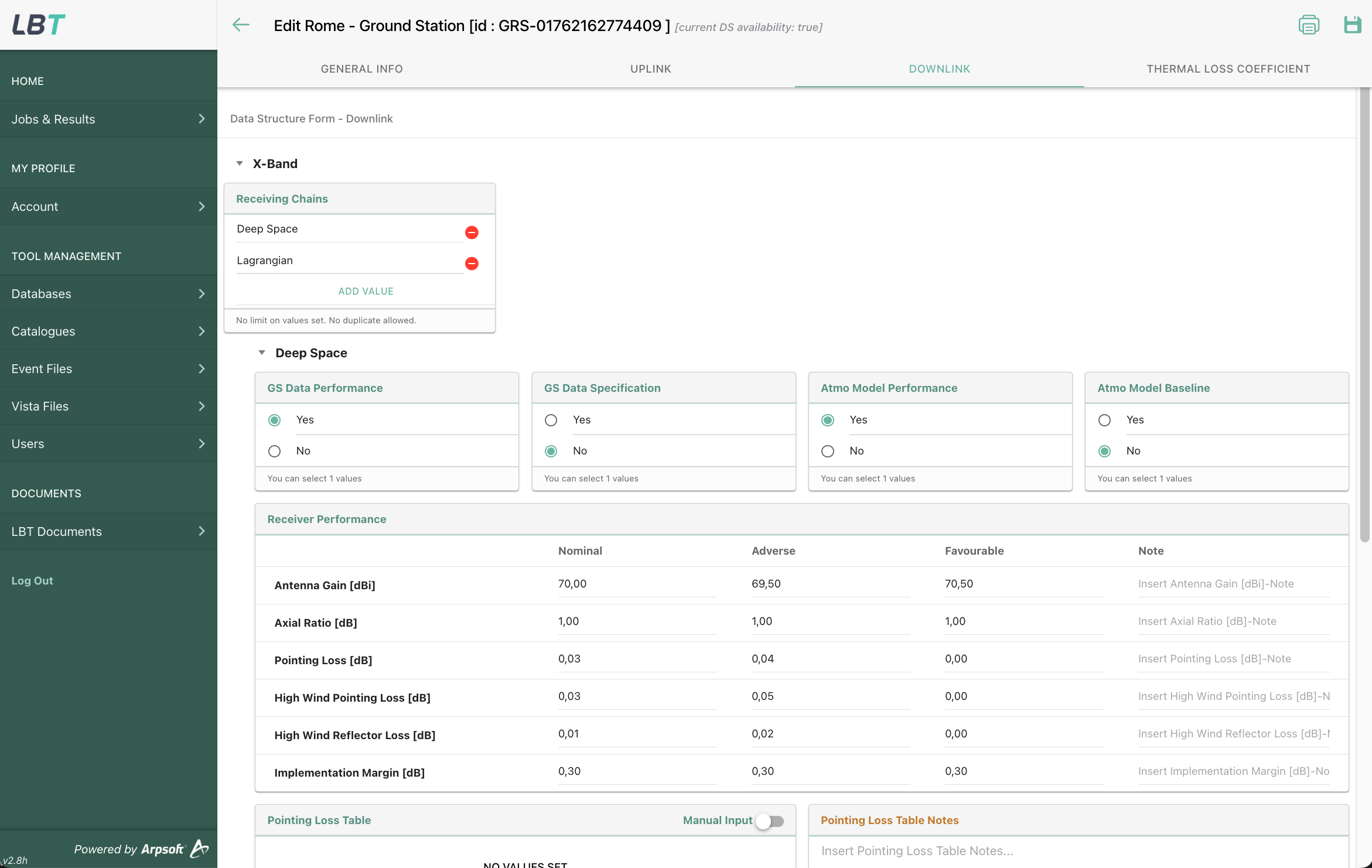
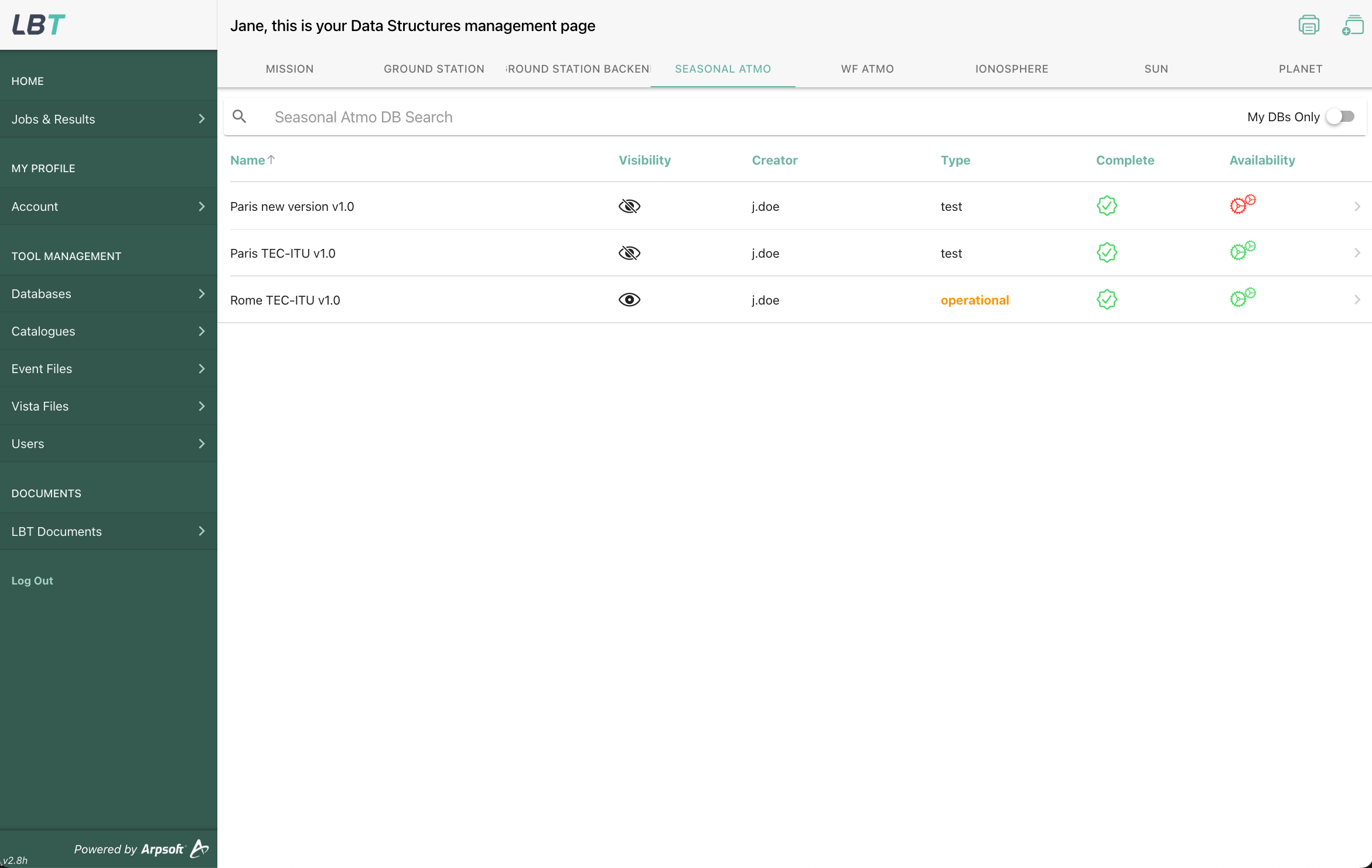
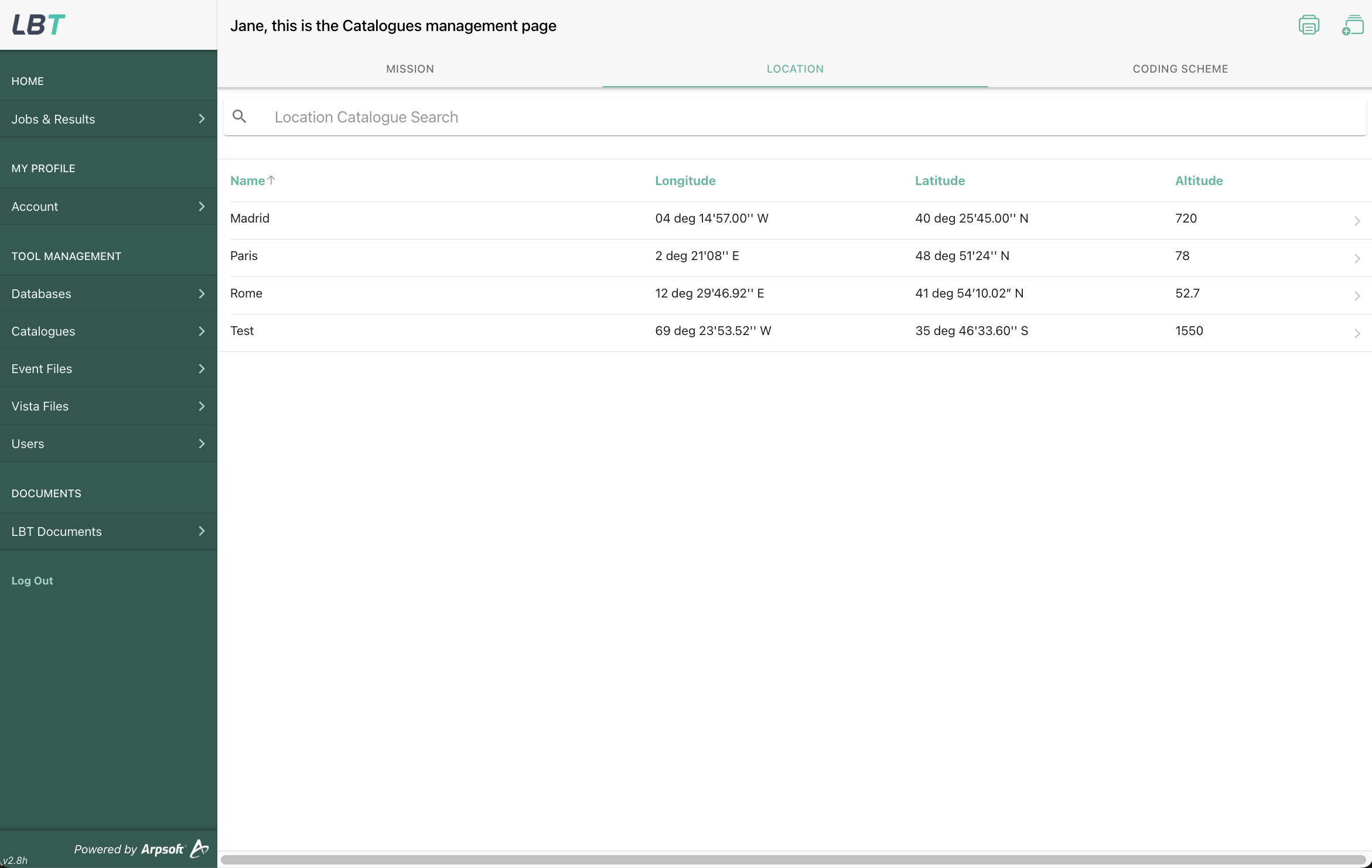
Ensure data consistency for your entire team. Model all relevant aspects of the link budget, from spacecraft transponders to ground station chains; from atmospheric effects to solar impairments.
03. Collaborative Web Interface
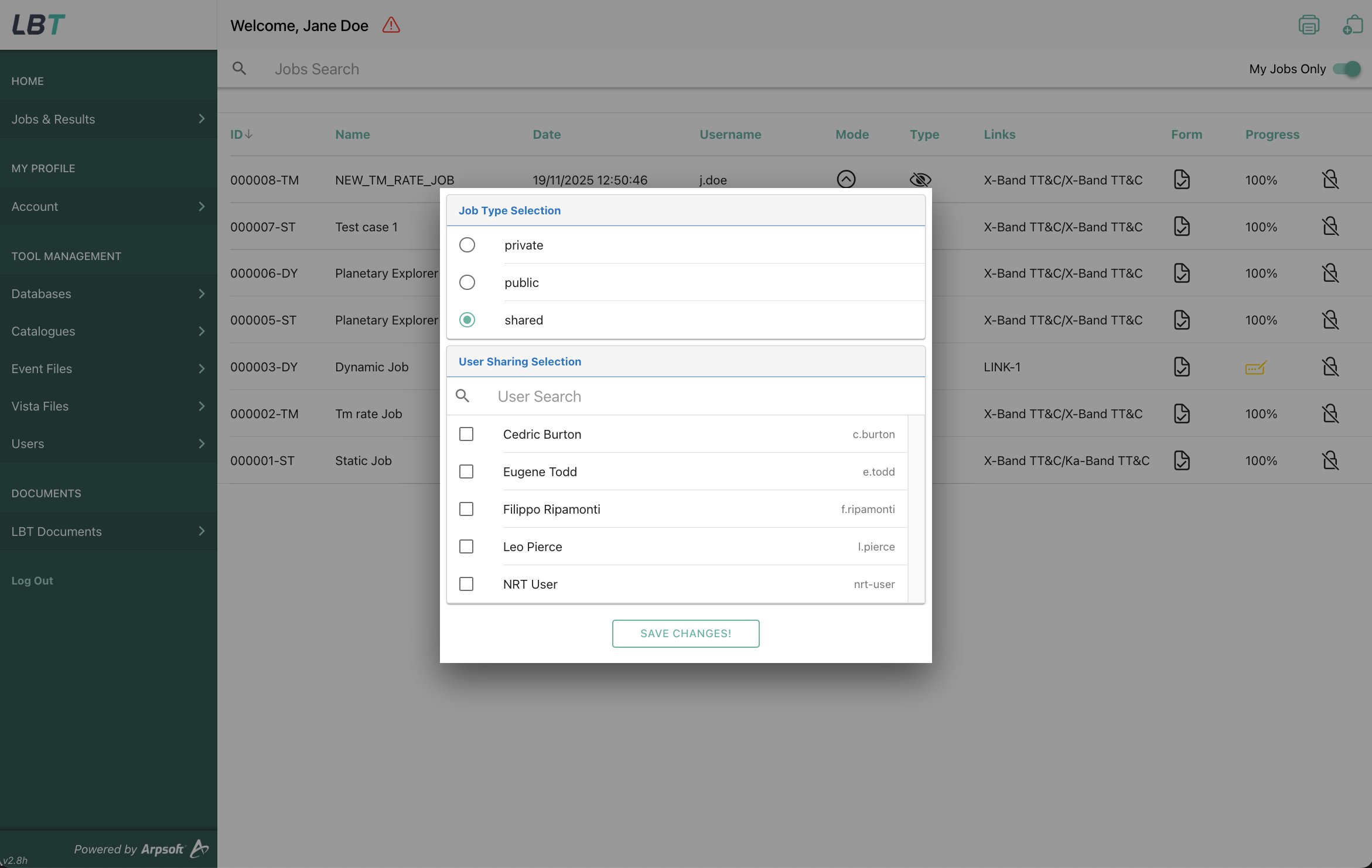
A scalable, centralized platform that runs on dedicated servers, not your local machine. Share analyses, data structures, and results. Use company-approved operational data or create your own datasets.
04. Powerful API and CLI
Automate and integrate LBT into your existing toolchain. Use the powerful REST API, Command Line Interface (CLI), and SDK to connect with your company’s operational software.
05. Comprehensive Modeling
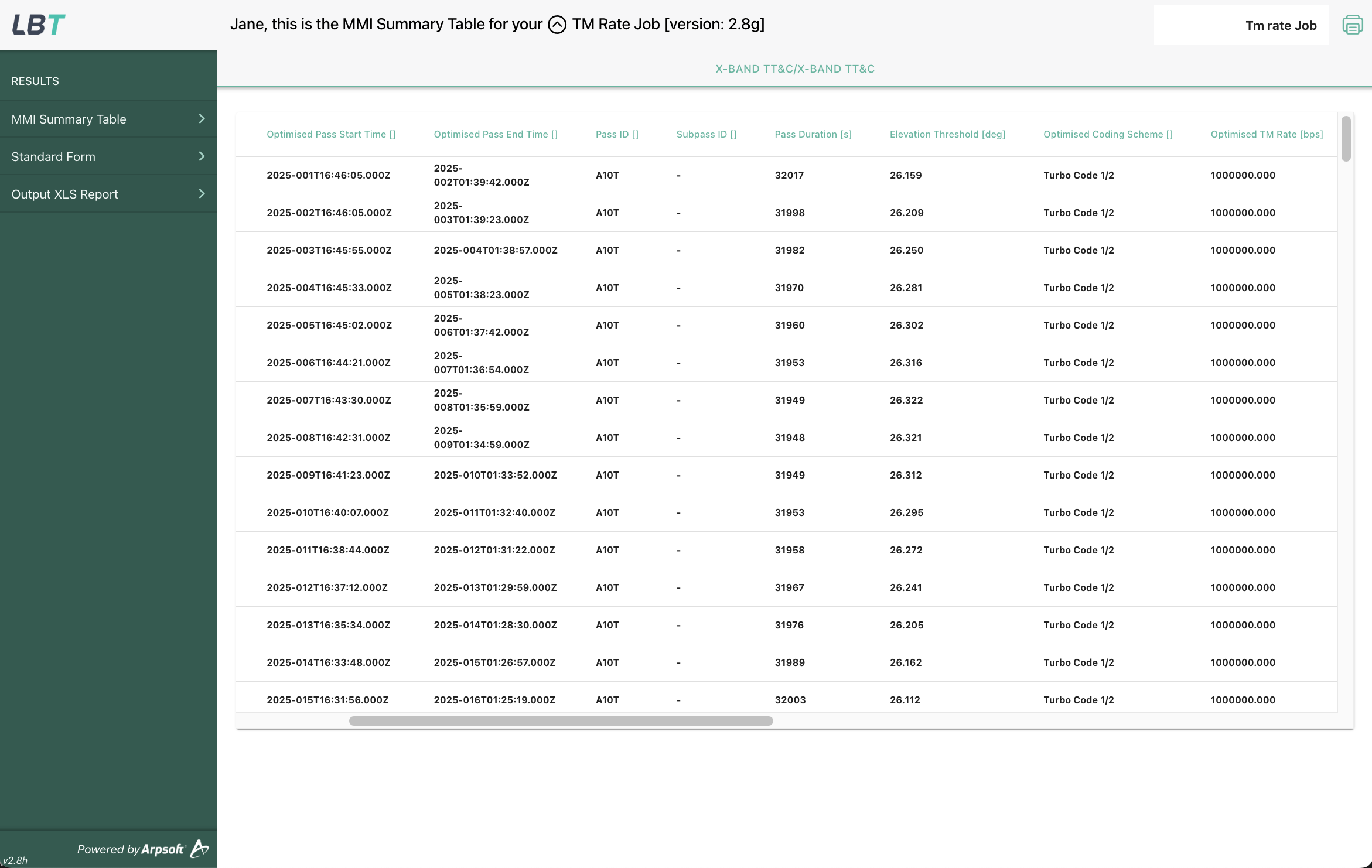
The Link Budget Tool Evolution (LBTE) provides comprehensive analysis for a variety of space communication links, including Uplink and Downlink TT&C (carrier, data, ranging), Radio Science Experiment (RSE) links (carrier and ranging), and Downlink-only Payload links (carrier and data). This functionality is fully supported across S-Band, X-Band, K-Band, and Ka-Band. The tool models a wide array of modulation schemes, from remnant carrier types like PCM/PSK/PM to suppressed carrier modulations such as BPSK, GMSK, QPSK, and 8-PSK. Ranging capabilities are extensive, covering both transparent (Tone Code, T2B PN, T4B PN) and regenerative (T2B PN, T4B PN) systems. To ensure high-fidelity analysis, LBTE also incorporates robust environmental modeling, using the latest ITU Recommendations for atmospheric attenuation CDFs and accounting for the effects of solar scintillation on receiving loops.